

Muhammad Bin Qasim in Urdu
Education Contains ads
Muhammad Bin Qasim led the Muslim conquest of Sindh from Hindu king, Raja Dahir.
- Downloads
- 1K+
- on Google Play
- Price
- Free
- No in-app purchases
- Updated
- Feb 11
- 2022 · v1.0
Screenshots
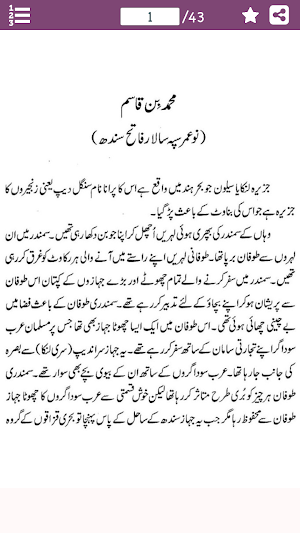
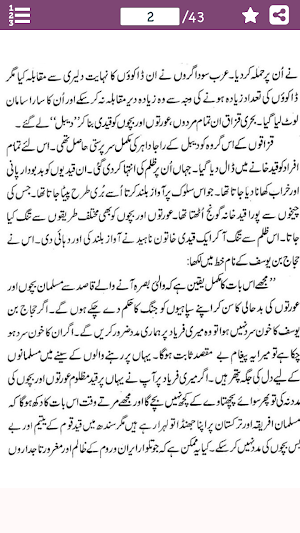
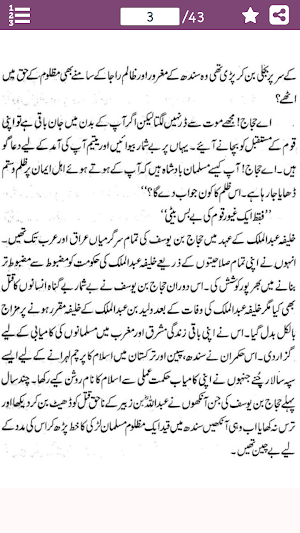
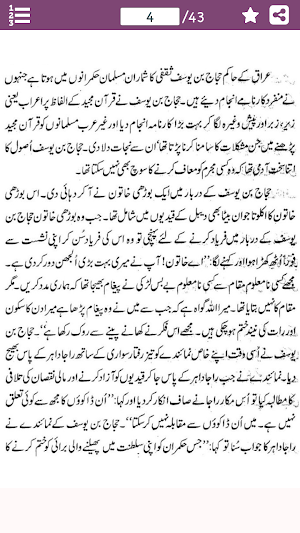


About Muhammad Bin Qasim in Urdu
Muhammad ibn Qasim (Arabic: محمد ابن القاسم, romanized: Muḥammad ibn Qāsim; c. 695 – 715), was an Arab military commander in the service of the Umayyad Caliphate who led the Muslim conquest of Sindh from the last Hindu king, Raja Dahir in the battle of Aror. He was the first Muslim to have successfully captured Hindu territories and initiate the early Islamic India in 712 CE.
Qasim was born in 695 and belonged to the Banu Thaqif tribe. He was assigned as the Governor of Fars in Iran, likely succeeding his uncle Muhammad ibn Yusuf. In 708–711, Qasim led an expedition to Sindh and defeated the Brahman King Raja Dahir, successfully conquering the region. He established Caliphate rule throughout Sindh and functioned as its governor from 712 until his death in 715. He died in Mosul, Iraq and sources record that his body was buried in Makran in Balochistan at the Hingol National Park.
Qasim's full name is Muhammad ibn Qasim. In Arabic, the name Qasim means "One Who Distributes". One of his famous titles Al-Laqab means "Title". One on his other titles Imad ad-Din means "Pillar of the Faith".
Muhammad ibn Qasim belonged to the Abu Aqil family of the Banu Awf in the Thaqif tribe. The members of the Thaqif embraced Islam in c. 630, and gradually rose in ranks in the nascent Caliphate. They played the important roles in the early Muslim conquests, particularly in Iraq, and in early operations against the Indian subcontinent. In c. 636 the Thaqafite governor of Bahrayn (eastern Arabia), Uthman ibn Abi al-As, dispatched naval expeditions against the Indian ports of Debal, Thane and Bharuch. The tribe's power continued to increase with the advent of the Umayyad Caliphate in 661.
The Abu Aqil family gained prestige with the rise of al-Hajjaj ibn Yusuf, the paternal first cousin of Qasim's father Muhammad ibn al-Hakam. Al-Hajjaj was made a commander by the Umayyad caliph Abd al-Malik (r. 685–705) during the Second Muslim Civil War and killed the Umayyads' chief rival for the caliphate, Abd Allah ibn al-Zubayr, in 692, and two years later was appointed the viceroy of Iraq and the eastern Caliphate. Following his promotion, al-Hajjaj became a patron of the Thaqif and appointed several members to important posts in Iraq and its dependencies. Qasim's father was appointed the deputy governor of Basra, though his career was otherwise undistinguished. According to a letter between Qasim and al-Hajjaj cited by the Chach Nama, Qasim's mother was a certain Habibat al-Uzma (Habiba the Great). The Chach Nama also indicates Qasim had a similar-aged brother named Sulb and Arabic sources indicate he had a much younger brother named al-Hajjaj, who served as an Umayyad commander during the Alid revolt of 740.
Qasim was born in c. 694. His birthplace was almost certainly in the Hejaz (western Arabia), either in Taif, the traditional home of his Thaqif tribe, or in Mecca or Medina. According to historian Nabi Bakhsh Baloch, Qasim most likely grew up partly in Ta'if and then Basra and Wasit, the provincial capital of Iraq founded by al-Hajjaj in 702. Qasim's time in Basra, a military and intellectual center of the Islamic world at the time, may have widened Qasim's career horizons, while at Wasit he was likely educated and trained under al-Hajjaj's patronage. Al-Hajjaj was highly fond of Qasim, and considered him prestigious enough to marry his daughter Zaynab. The Kitab al-aghani refers to Qasim at the age of 17 as "the noblest Thaqafite of his time". In the summation of Baloch, "Qasm grew up under favorable conditions into an able, energetic and cultured lad of fine tastes".
Qasim's first assignment was in the province Fars in modern Iran, where he was asked to subjugate a group of Kurds. After the successful completion of the mission, he was appointed as the governor of Fars.[16] He likely succeeded his uncle Muhammad ibn Yusuf al-Thaqafi, a brother of al-Hajjaj, who was previously a governor.
User reviews

It was good ☺️

Superb😍

We love mohammad

Nice
Alternatives to Muhammad Bin Qasim in Urdu
Looking for apps like Muhammad Bin Qasim in Urdu? Here are 6 similar Android apps on Google Play. The highest rated is نماز کا مکمل طریقہ - Namaz Ka (5.0/5), and all 6 are free to download.
-
نماز کا مکمل طریقہ - Namaz Ka 5.0
-
Masnoon Duain مسنون دعائیں in
-
Kids Room Decoration Design 4.1
-
Bedroom Decoration Ideas 2022
-
Dua e Qunoot (دعاء قنوت) with 5.0
-
Noorani Qaida (نورانی قاعدہ) R 4.9
| App | Rating | Price | Installs | Last updated | Compare |
|---|---|---|---|---|---|
| Muhammad Bin Qasim in Urdu | – | Free | 1,000+ | Feb 11, 2022 | |
| نماز کا مکمل طریقہ - Namaz Ka | 5.0 / 5 | Free | 5,000+ | Jun 10, 2020 | Compare |
| Masnoon Duain مسنون دعائیں in | – | Free | 50,000+ | Jul 22, 2020 | Compare |
| Kids Room Decoration Design | 4.1 / 5 | Free | 10,000+ | Dec 25, 2016 | Compare |
| Bedroom Decoration Ideas 2022 | – | Free | 5,000+ | Dec 26, 2017 | Compare |
| Dua e Qunoot (دعاء قنوت) with | 5.0 / 5 | Free | 10,000+ | Feb 21, 2017 | Compare |
| Noorani Qaida (نورانی قاعدہ) R | 4.9 / 5 | Free | 10,000+ | Jan 24, 2017 | Compare |
Similar apps on Google Play
- نماز کا مکمل طریقہ - Namaz Ka
- Masnoon Duain مسنون دعائیں in
- Kids Room Decoration Design
- Bedroom Decoration Ideas 2022
- Dua e Qunoot (دعاء قنوت) with
- Noorani Qaida (نورانی قاعدہ) R
- سورة يس - القرآن الكريم
- Boots Fashion Ideas for Female
- Namaz e Janaza Ka Tarika Urdu
- Aqwal Hazrat Ali R.A + Baatien
- Islamic History in Urdu Part 1
- Pyare Nabi(PBUH) ki Sunnatain
- Merry Christmas Wallpapers
- Ambiya Ke Qissay in Urdu - انب
- مسنون دعائیں اردو ترجمہ کے سات
- Quran e Pak رنگین تجویدی قرآنِ
- Noorani Qaida in Pashto (پښتو)
- Hakeem Luqman Ki 50 Naseehaten
- Quran se Ilaj
- Umrah Ki Adaigi Ka Asan Tarika
- Surat Kausar کوثر Ke Karishmat
- Ism e Azam Se Mushkilat Ka Hal
- Jadu Tona Ka Ilaj
- 4 Qul (چهار قل) With Urdu Tran
- 40 Hadith An-Nawawi - الأربعون
- Namaz نماز Ka Asaan Tareeqa +
- Diamond + Gold Jewelry Designs
- Tribal Tatto Designs
- High Heel Shoes Designs 2022
- Al-Qaida Al-Noorania in Arabic
- Kulliyat e Iqbal - كليات اقبال
- علامہ اقبال کی شاعری- Allama I
- Hazrat Imam Hussain 100 Qissay
- قرآنی وظائف
- Iqra Qaida - Quran Seekhain
- Ring Designs
- Astrology in Urdu - علمِ نجوم
- Surah Al Waqiah (سورة الواقعة
- دعائے قنوت - نمازِ وتر
- علامہ اقبال کی مشہور شاعری - ک
- Qurani Qaida (قرآنی قاعدہ) - Q
- Maani Al-Quran Word for Word U
- General Knowledge (GK) in URDU
- Fazail e Amaal in Urdu - فضائل
- Surah Al Fil (سورة الفيل) Colo
- Surah Asr (سورة العصر) Colorfu
- Khwabon ki Tabeer - خوابوں کی
- Sad Poetry in Urdu - Dard Shay
- سو (۱۰۰) بیماریوں کا علاج گھر
- Urdu Ahadees
- Job Search Tips in URDU ملازمت
- Exam & Paper Solving Tips URDU
- Talaq Khula Aur Iddat K Masail
- Masjid Ke Adaab - مسجد کے آداب
- الدعاء ويليه العلاج بالرقى
- Tafsir Ibne Abbas Part-1 Urdu
- Surah Kausar (سورة الكوثر) wit
- Benefits of Ya Qahhar -يا قهار
- General Knowledge in Urdu -CSS
- Qurbani ke Masail مسائل قربانی
- Rehmat Da Khazana پنجابی نعتاں
- Sassi Punnu - Urdu Love Story
- Laila Majnu - Urdu Love Story
- Tareekh Ibn Kaseer Part-2 URDU
- Tareekh Ibn Kaseer Part-1 URDU
- Saltanat e Usmania in Urdu
- Hazrat Imam Hassan 100 Waqiat
- انگلش بولنا سیکھیں صرف 30 دن م
- Nafal Namaz نفل نماز ki Barkat
- Adhan with English Translation
- Maa Ka Muqam - ماں کا مقام
- Jawani Ki Barbadi+Roohani Ilaj
- Sheikh Chili Ki Urdu Kahaniyan
- Sahih Namaz e Nabavi نماز نبوی
- Rahnuma e Tableeghi Safar 6 No
- Hazrat Usman r.a Ke 100 Qissay
- Ghusal Ke Masail -غسل کے مسائل
- Musafir Ki Namaz مسافر کی نماز
- Surah Al Mudassir Urdu Tafsir
- Surah Muzammil Urdu Tafsir
- Surah Mulk Urdu Terjuma Tafsir
- Surah Rahman Terjuma o Tafsir
- Surah Yaseen -Terjuma o Tafsir
- Janat Mein Le Janay Walay Amal
- Aaqa Ka Mahina - Shaban
- Darood Sharif Ke Fazail - درود
- Khilafat o Malookiat - Maududi
- Karbala کربلا Ka Khooni Manzar
- Mutah - Fiqa Jafria Ke Mutabiq
- Faizan e Namaz - فیضانِ نماز
- Shajra e Nasab - شجرہِ نسب
- Tohfa e Shadi - تحفۂ شادی
- Madani Qaida Bangla - Tajweed
- Madani Qaida Hindi - Tajweed
- Story of Hazrat Ayub in Urdu
- Biography of Hazrat Yunus Urdu
- Hazrat Ibrahim (R.A) Ka Qissa
- Hazrat Ayesha ra Ke 100 Qissay
- Hazrat Nuh (نوح) A.S Ka Qissa
- Kalonji Se Ilaj کلونجی سے علاج
- Hazrat Lut (لوط) A.S Ka Qissa
- Hazrat Fatima r.a Ke 100 Qisay
- 17 Wazaif Se Zindagi Asaan
- Surat Mulk Se Mushkilat Ka Hal
- Surat Inam Se Mushkilat Ka Hal
- Surah Quraish Ke Karishmat
- Surat Baqarah Se Mushkilat Hal
- Surat Kafiroon - Mushkilat Hal
- Surat Fateha+Ikhlas -Karishmat
- 4 Qul Se Mushkilat Ka Hal Urdu
- Bismillah Se Mushkilat Ka Hal
- Lazzat e Zikr - لذتِ ذکر
- Badnazri بد نظری K 14 Nuqsanat
- Dua Qubool Na Hone Ki Wajuhat
- Nad e Ali se Mushkilat Ka Hal
- Miswak K Faiday مسواک کے فضائل
- Hakeemi Nuskhe - حکیمی نسخے
- Pyare Rasoolﷺ Ki Peshangoyian
- Gharelu Ilaj -Desi Totkay Urdu
- Subah o Sham Ke Azkar - Dua'in
- Maloomat e Quran - Islami Quiz
- Hazrat Khizar (A.S) Ka Qissa
- Faizan e Jumma - فیضانِ جمعہ
- Biography of Hazrat Suleman AS
- Hazrat Yousuf Ka Qissa in Urdu
- Bal e Jibreel by Allama Iqbal
- Namaz e Taraweeh - 20 Rakat
- Shehad se Har Bemari Ka Ilaj
- Aulad Ke Liye Duain (دعائیں)
- Qaza Namaz Ka Tarika -قضا نماز
- Aurton Ki Namaz عورتوں کی نماز
- Hifazat Ki Duain حفاظتی دعائیں
- Itikaf اعتکاف Ke Amal o Wazaif
- Ibadat e Ramzan-ul-Mubarak
- Laylatul Qadr شب قدر کی عبادات
- A Dua a Day - Ramadan Calendar
- Zakat (زکوٰۃ) Ke Haqdar Kon?
- Namaz of Females and Mistakes
- Sajda Sahw Ke Masail سجدہ سہو
- Salatul Tasbih - صلوٰۃ التسبیح
- Wuzu Aur Science وضو اور سائنس
- Namaz Main Luqma Kay Masail
- Namaz e Witr (وتر) + tahajjud
- Bachon Ki Namaz - بچوں کی نماز
- Namaz e Hanafi Ka Sahih Tariqa
- Gunahon Ka Ilaj گناہوں کا علاج
- Faizan e Tajveed - فیضان تجوید
- 40 Ahadees - Terjuma + Sharah
- Hadees Ki Duain
- Islami Wazaif -650 Masnoon Dua