Frankenstein
Frankenstein A Tale of Ambition, Creation, and Monstrosity, offline book reading
About Frankenstein
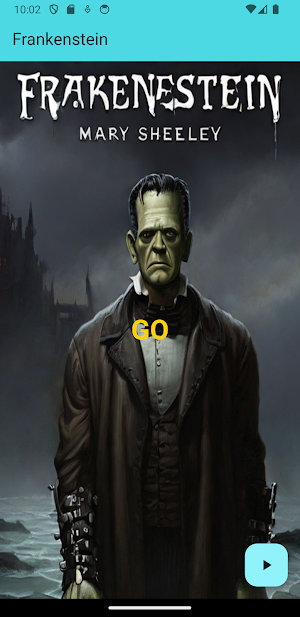
Published in 1818, Frankenstein stands as a seminal work in both the Gothic and science fiction genres. Written by Mary Shelley, this haunting novel delves into the depths of human ambition, the boundaries of scientific exploration, and the consequences of playing god.
The story revolves around the ambitious scientist Victor Frankenstein, whose relentless pursuit of knowledge leads him to a daring experiment: he seeks to overcome death itself. Driven by a desire to unlock the secrets of life, Victor assembles a human-like creature from reanimated body parts. But this act of creation sets in motion a chain of events that will forever alter his life and the lives of those around him.
The novel unfolds through a series of letters and narratives, recounting Victor's journey from the icy landscapes of the Swiss Alps to the gloomy laboratories of Ingolstadt. His creation, the unnamed monster, becomes a tragic figure—a being rejected by society, yearning for acceptance and understanding. As the creature roams desolate expanses, it grapples with its own existence and the torment inflicted upon it.
Shelley masterfully weaves themes of scientific ethics, the nature of monstrosity, and the consequences of unchecked ambition into the fabric of her narrative. Against the backdrop of late 18th-century Europe, she raises profound questions about the limits of human knowledge and the responsibilities that come with wielding such power.
The novel's evocative setting—where icy peaks meet dark laboratories—mirrors the internal struggles faced by its characters. As the Industrial Revolution and scientific advancements reshape society, *Frankenstein* becomes a reflection of the cultural anxieties of its time. Shelley's exploration of the otherness—both in the form of the monster and Victor's own hubris—resonates even today.
Frankenstein has inspired numerous adaptations, including iconic film versions such as the 1931 classic directed by James Whale, featuring Boris Karloff as the unforgettable monster. Beyond cinema, modern reinterpretations in literature, film, and other media continue to explore Shelley's themes, adapting them to new contexts.
In this tale of ambition, creation, and monstrosity, Shelley reminds us that our actions have consequences—whether we seek to defy death or create life. As we peer into the abyss of scientific discovery, we must tread carefully, for the line between creator and creation blurs, and the consequences may be more monstrous than we imagine.
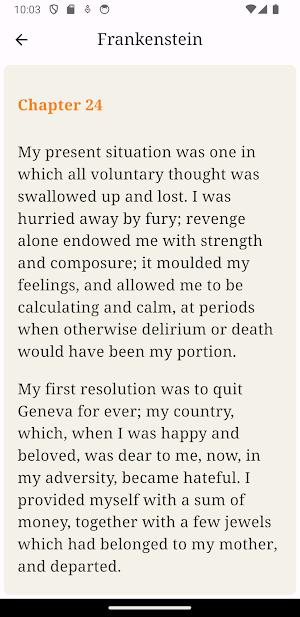
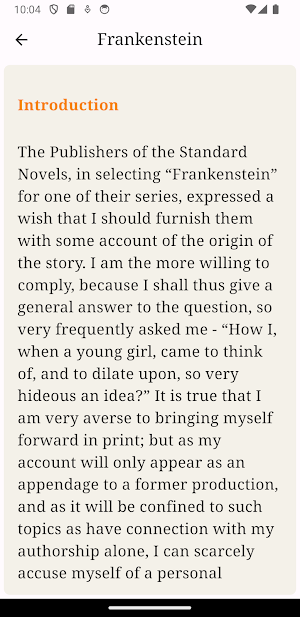
You can Read offline
Similar Apps
Heaven photo frames
New Features:- Change background to new heaven pics background.- Add spiral neon...
Tess of the d'Urbervilles
When discussing classic literature, one name that often comes up is Thomas...
Some Do Not
Some Do Not by Ford Madox Ford is a novel that delves...
No More Parades
"No More Parades" by Ford Madox Ford is a novel that delves...
Grub Street
New Grub Street by George Gissing is a novel that delves deep...
A Man Could Stand Up
Ford Madox Ford's novel, "A Man Could Stand Up," is a powerful...
