

Hevanti: Chitas & Rambam
Yakir Berebi Education iPhoneiPadiPod touch
Hevanti: Chitas & Rambam is a free Education app for iPhone and iPad by Yakir Berebi. Rated 5.0/5 from 13 ratings. Requires iOS 15.1.
- Rating
- 5.0
- 13 ratings
- Price
- Free
- on the App Store
- Size
- 139 MB
- Age 4+
- Updated
- Nov 23
- 2026 · v2.133921.5
Screenshots
Save to Pinterest


About Hevanti: Chitas & Rambam
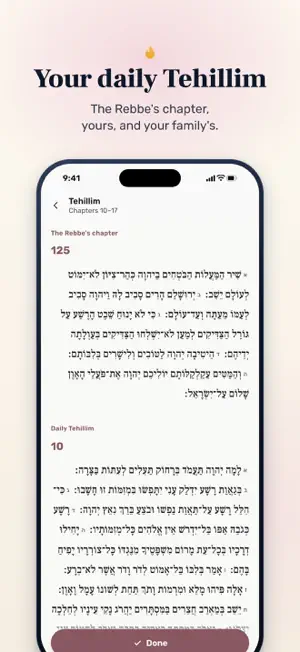
You finished today's Tanya. Could you explain it to a friend? Hevanti is daily Chitas for people who want to understand what they learn. The name is Hebrew for "I got it!", and that is the goal for each of the four daily portions: Chumash with Rashi, Tehillim, Tanya and Hayom Yom. Open the app and today's learning is waiting. Each portion comes two ways: LESSON. A short explanation in plain language. Examples from regular life, visuals you can tap and play with, and one question at the end to check that it landed. TEXT. The original, with nekudos, for when you want to learn inside. Switch between the two whenever you like. Hevanti remembers which one you were in and where you stopped. WHAT'S INSIDE • Chumash: the day's aliyah with Rashi • Tehillim: the portion for the day of the Hebrew month • Tanya: the day's portion on the Chabad daily schedule, with an explanation beside the text • Hayom Yom: the entry for today's date • English translation of the verses when you want it (Metsudah, via Sefaria) • Parsha calendar for Israel or the Diaspora • Daily Rambam, if you want it: three chapters, one chapter or Sefer HaMitzvos, or a chapter with Sefer HaMitzvos SHORT ON TIME? Turn on the short lesson in Settings: about four minutes instead of six. The Rebbe's sicha always stays. MY DAILY TEHILLIM Build your own daily order: the Rebbe's chapter, the Rebbetzin's chapter, chapter 20 on days without Tachanun, and personal chapters for you and the people you daven for. Enter a name and a birthday, in the Hebrew or the secular calendar, and Hevanti works out the chapter and moves it up on each birthday. IT TALKS TO YOU Tell Hevanti your first name and whether to address you as he or she. The lessons speak to you that way. The Torah text and the halacha stay as they are for everyone. KEEP GOING • A daily ring that fills as you finish each of the four • Your streak and your history, day by day • 14 color palettes and adjustable text size • Full English and full Hebrew FREE Hevanti has no ads and nothing to buy. You don't need an account. Sign in with Apple or Google only if you want your progress on more than one device. The Rebbe asks every Jew to learn Chitas each day. Hevanti is for the days you want to close the app and say: I got it.
Ratings & reviews
5.0
13 ratings
What’s new
Version 2.133921.5 · Updated November 23, 2026
What's new: • Ta'amei HaMikra (trop) in the Chumash verses, like Dvar Malchus. • Rambam: each chapter's subject, and a biur for every halacha if you want it. • Hayom Yom checked against a second source. • Share Hevanti and see how many people came thanks to you. • Small improvements and fixes.
App privacy
The developer, Yakir Berebi, reported these privacy practices to Apple.
Data Linked to You
The following data, which may be collected and linked to your identity, may be used for the following purposes:
- Contact Info: Email Address, Name
- User Content: Other User Content
- Identifiers: User ID
- Usage Data: Product Interaction
Used for: App Functionality
Data Not Linked to You
The following data, which may be collected but is not linked to your identity, may be used for the following purposes:
- Location: Coarse Location
Used for: Analytics
Alternatives to Hevanti: Chitas & Rambam
Looking for apps like Hevanti: Chitas & Rambam? Here are 6 similar apps on the App Store. The highest rated is My Tanya (5.0/5), and all 6 are free to download.
-
 Otzar Likkutei Sichos - Chabad
4.9
-
 Talmid+
-
 My Tanya
5.0
-
 Luach - Colel Chabad
5.0
-
 Hamesivta Siddur with Audio
4.9
-
 Mafteiach
4.7
| App | Rating | Price | Last updated | Compare |
|---|---|---|---|---|
| Hevanti: Chitas & Rambam | 5.0 / 5 (13 ratings) | Free | November 23, 2026 | |
| Otzar Likkutei Sichos - Chabad | 4.9 / 5 (24) | Free | Sep 24, 2026 | Compare |
| Talmid+ | – | Free | Apr 30, 2026 | Compare |
| My Tanya | 5.0 / 5 (3) | Free | Jun 22, 2026 | Compare |
| Luach - Colel Chabad | 5.0 / 5 (3) | Free | Aug 25, 2026 | Compare |
| Hamesivta Siddur with Audio | 4.9 / 5 (13) | Free | Nov 3, 2026 | Compare |
| Mafteiach | 4.7 / 5 (26) | Free | Sep 8, 2026 | Compare |