

Munshi: Money Manager
Pratham Sarankar Finance iPhoneiPadiPod touch
Munshi: Money Manager is a free Finance app for iPhone and iPad by Pratham Sarankar. Requires iOS 13.0. Updated January 18, 2026.
- Price
- Free
- on the App Store
- Size
- 47 MB
- Age 4+
- Updated
- Jan 18
- 2026 · v1.0
Screenshots
About Munshi: Money Manager
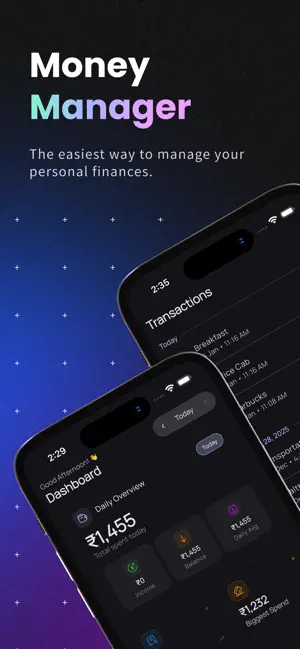
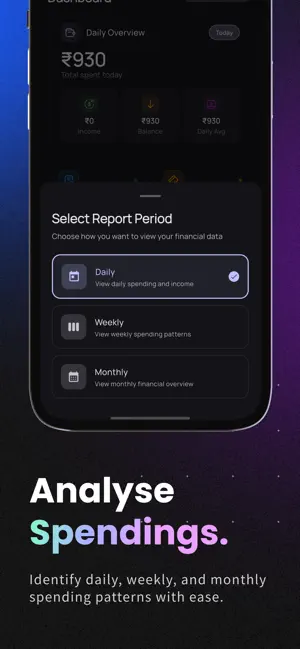
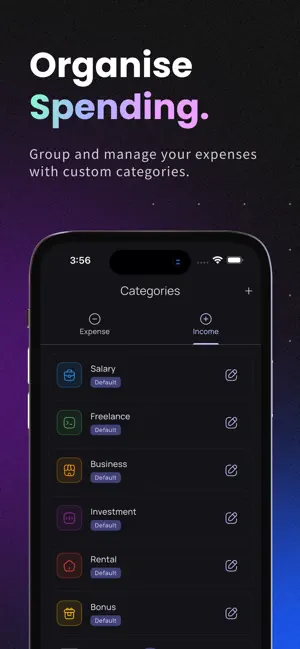
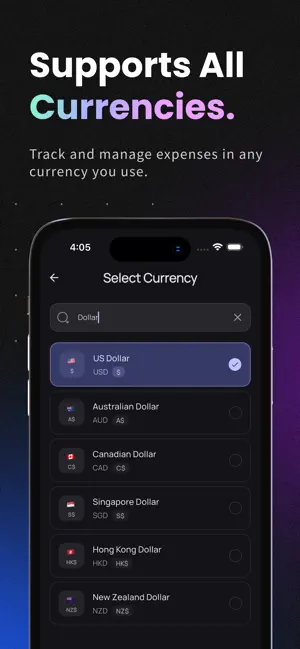
Take full control of your finances with a simple, reliable, and fully offline expense tracker built for everyday money management. This app is designed to help you track expenses, analyse spending patterns, and manage your personal finances with clarity and confidence. Whether you are monitoring daily expenses, reviewing monthly spending, or planning long-term budgets, this expense tracking app keeps everything organised and easy to understand. Analyse your spending with detailed daily, weekly, and monthly views. Quickly identify spending patterns, recurring expenses, and habits that affect your financial health. By visualising your spending over time, you can make smarter decisions, improve budgeting, and gain better control over your money. This spending tracker helps you understand exactly where your money goes. Organise spending using fully customisable categories. Create, edit, and manage categories that fit your lifestyle and financial needs. Whether it is food, travel, rent, bills, shopping, subscriptions, or personal expenses, you can classify transactions your way. This flexible expense manager adapts to how you manage money instead of forcing predefined rules. Track expenses in any currency. This app supports all currencies, making it ideal for international users, travelers, freelancers, and anyone managing finances across different regions. Switch currencies easily and keep your expense tracking accurate and consistent. It works perfectly as a global money tracker and finance app. Use the app completely offline. No internet connection is required to add, edit, or review expenses. Your data remains accessible anytime, anywhere. This makes it a dependable offline expense tracker for users who value privacy, reliability, and uninterrupted access to their personal finance data. Enjoy a clean, modern interface with light and dark mode support. The design is distraction-free, easy on the eyes, and optimised for fast everyday use. Whether you prefer a bright or dark theme, the app adjusts to your comfort while keeping expense tracking simple and efficient. Key features include: 1. Expense tracker with daily, weekly, and monthly views 2. Spending analysis to identify patterns and habits 3. Custom categories for organised expense management 4. Support for all currencies 5. Fully offline expense tracking 6. Light and dark mode support 7. Simple, fast, and user-friendly design Ideal for budgeting, money tracking, and personal finance management. This app is suitable for anyone looking for a reliable expense tracker, budget planner, spending tracker, or money manager. It is perfect for students, professionals, freelancers, travellers, and families who want a clean and effective way to manage expenses. Whether you are tracking daily costs, analysing monthly spending, or improving long-term financial habits, this personal finance app helps you stay in control. Download now and start managing your expenses, tracking spending, and improving your financial clarity with a simple and powerful expense tracking app.
App privacy
The developer, Pratham Sarankar, reported these privacy practices to Apple.
Data Not Collected
The developer does not collect any data from this app.
Alternatives to Munshi: Money Manager
Looking for apps like Munshi: Money Manager? Here are 6 similar apps on the App Store. The highest rated is POSB (1.0/5), and all 6 are free to download.


| App | Rating | Price | Last updated | Compare |
|---|---|---|---|---|
| Munshi: Money Manager | – | Free | January 18, 2026 | |
| Exp Tracker | – | Free | Oct 19, 2026 | Compare |
| Likhat: Agreements & Proof | – | Free | Jun 16, 2026 | Compare |
| Tontine | – | Free | Sep 18, 2026 | Compare |
| Shyam Advisory | – | Free | Sep 5, 2026 | Compare |
| Finex Remit | – | Free | Aug 20, 2026 | Compare |
| POSB | 1.0 / 5 (1) | Free | Aug 4, 2026 | Compare |