

UNIVERGE BLUE™ PROTECT
NEC CORPORATION OF AMERICA Utilities iPhoneiPadiPod touch
UNIVERGE BLUE™ PROTECT is a free Utilities app for iPhone and iPad by NEC CORPORATION OF AMERICA. Rated 5.0/5 from 1 ratings. Requires iOS 15.0.
- Rating
- 5.0
- 1 ratings
- Price
- Free
- on the App Store
- Size
- 9 MB
- Age 4+
- Updated
- Dec 5
- 2024 · v2.0.15
Screenshots
About UNIVERGE BLUE™ PROTECT
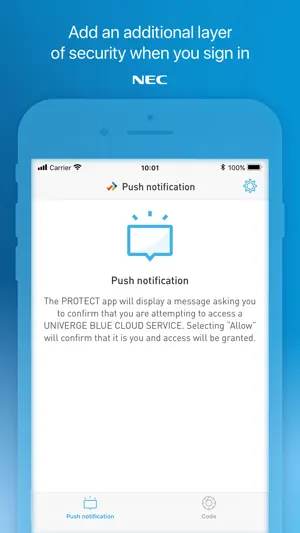
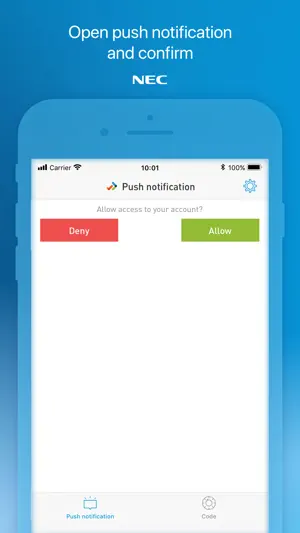
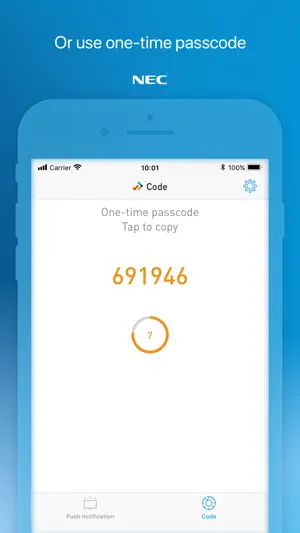
UNIVERGE BLUE™ PROTECT is a two-factor authentication app that adds an additional layer of security, by requesting an additional code, when you sign in to your UNIVERGE BLUE service. - If you choose to use Push Notifications, the PROTECT app will display a message asking you to ‘Allow’ or ‘Deny’ access to your user account. Confirm it is you logging in by selecting ‘Allow’. - If you are using one-time passcodes, the PROTECT app will generate a one-time passcode that must be entered in order to access an UNIVERGE BLUE service.
What’s new
Version 2.0.15 · Updated December 5, 2024
bugfixes
App privacy
The developer, NEC CORPORATION OF AMERICA, reported these privacy practices to Apple.
Data Linked to You
The following data, which may be collected and linked to your identity, may be used for the following purposes:
- Contact Info: Phone Number
Used for: App Functionality
Data Not Linked to You
The following data, which may be collected but is not linked to your identity, may be used for the following purposes:
- Usage Data: Product Interaction
- Diagnostics: Crash Data
Used for: Analytics, App Functionality
Alternatives to UNIVERGE BLUE™ PROTECT
Looking for apps like UNIVERGE BLUE™ PROTECT? Here are 6 similar apps on the App Store. The highest rated is Intermedia VeriKey (3.7/5), and all 6 are free to download.


| App | Rating | Price | Last updated | Compare |
|---|---|---|---|---|
| UNIVERGE BLUE™ PROTECT | 5.0 / 5 (1 rating) | Free | December 5, 2024 | |
| DoubleSafe | 2.2 / 5 (5) | Free | Dec 5, 2024 | Compare |
| AdvancedUC Plus | – | Free | Jul 8, 2026 | Compare |
| Luminex | – | Free | Jun 10, 2026 | Compare |
| NovoOne | – | Free | Oct 2, 2026 | Compare |
| Scan QR-code | – | Free | Aug 19, 2024 | Compare |
| Intermedia VeriKey | 3.7 / 5 (6) | Free | Dec 5, 2024 | Compare |