

Smiths Bible Dictionary
Watchdis Group B.V Reference iPhoneiPadiPod touch
Smiths Bible Dictionary is a free Reference app for iPhone and iPad by Watchdis Group B.V. Rated 4.6/5 from 184 ratings. Requires iOS 13.0.
- Rating
- 4.6
- 184 ratings
- Price
- Free
- on the App Store
- Size
- 36 MB
- Age 4+
- Updated
- Jun 23
- 2025 · v42.0
Screenshots
About Smiths Bible Dictionary
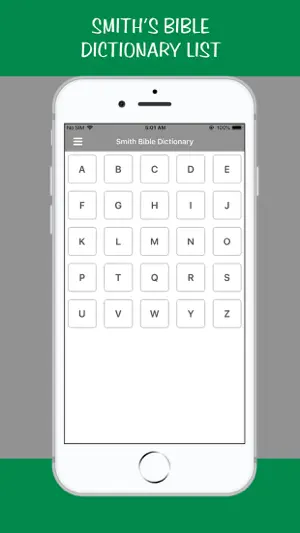
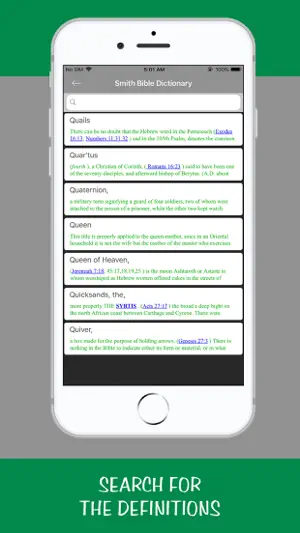
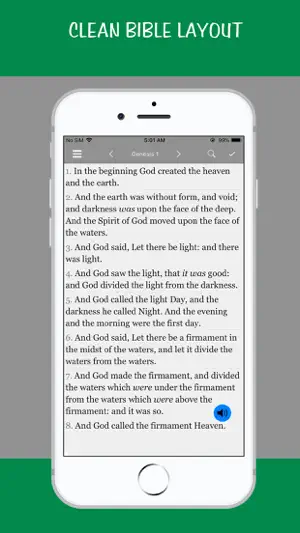
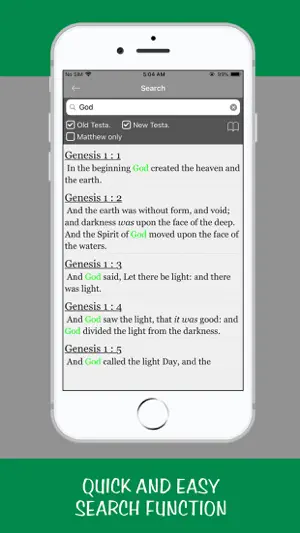
Smith’s Bible Dictionary app is a must have on your gadget if you desire to study the Word of God deeper and gain different perspectives. Smith’s Bible Dictionary offers information on people, places, tradition and practices, history, geography and textual content of the Bible which is really useful for studying the Scriptures. This Smith's Bible Dictionary is completely offline and does not require internet to work. There is also KJV Bible on this app which comes with audio and this is not a monologue. If you love to listen to the Bible on the go, then this Bible offline will be of great help to you. Written by Dr. William Smith, Smith’s Bible Dictionary was originally written in 1884 and its use and popularity remains worldwide until today making it a trustworthy material. Its original name was “A Dictionary of the Bible” containing more than four thousand entries which was now named after Smith. He was taught in the classical literature and was proficient in Lain and Greek. He then proceeded to study lexicography or dictionary-making. The Word of God is an important part of our daily walk as followers of the Lord Jesus Christ. And reading it daily is for the transformation and renewal of strength of your body, soul and spirit protecting you against the works of the devil and of the flesh. The Word of God is a fountain of life, full of God’s promises to all His children. It serves as our hope, our light and our daily communication to the Father. And in the light of reading and studying the Word of God, there are aids to help you understand the Bible better such as Bible commentaries and dictionaries written by other theologians and lexicographers. A Bible dictionary is helpful for someone who wants to understand terminologies used in the Bible or if you are searching for specific words, characters, places, and objects. Smith’s Bible Dictionary app will help you search for words and know their meaning in a convenient and better way of studying the Bible. Smith’s Bible Dictionary has more than 4,500 subjects and all its entries are properly defined, analyzed along with its corresponding Scripture references. To select a specific term you should click on the letter and there are several definitions that are below which can help you greatly. Download Smith’s Bible Dictionary app now and enjoy a deeper study, reflection, and meditation of God’s Word for a deeper communication and fellowship with Holy Spirit.
Ratings & reviews
4.6
184 ratings
What’s new
Version 42.0 · Updated June 23, 2025
Updated SDK and bug fixes
App privacy
The developer, Watchdis Group B.V, reported these privacy practices to Apple.
Data Used to Track You
The following data may be used to track you across apps and websites owned by other companies:
- Usage Data: Advertising Data
Data Not Linked to You
The following data, which may be collected but is not linked to your identity, may be used for the following purposes:
- Usage Data: Advertising Data
Used for: Third-Party Advertising
Alternatives to Smiths Bible Dictionary
Looking for apps like Smiths Bible Dictionary? Here are 6 similar apps on the App Store. The highest rated is Bible Dictionary Offline. (5.0/5), and all 6 are free to download.
-
 Vines Exhaustive Dictionary
1.7
Vines Exhaustive Dictionary
1.7
-
 Bible Dictionary Offline Pre
4.2
Bible Dictionary Offline Pre
4.2
-
 Bible Dictionary Offline.
5.0
Bible Dictionary Offline.
5.0
-
 Biblical Meanings & Dictionary
-
 Bible Studies in Depth
4.9
Bible Studies in Depth
4.9
-
 InHisVerse Bible
4.3
InHisVerse Bible
4.3
| App | Rating | Price | Last updated | Compare |
|---|---|---|---|---|
| Smiths Bible Dictionary | 4.6 / 5 (184 ratings) | Free | June 23, 2025 | |
| Vines Exhaustive Dictionary | 1.7 / 5 (9) | Free | Nov 20, 2023 | Compare |
| Bible Dictionary Offline Pre | 4.2 / 5 (46) | Free | Dec 19, 2025 | Compare |
| Bible Dictionary Offline. | 5.0 / 5 (6) | Free | Oct 12, 2026 | Compare |
| Biblical Meanings & Dictionary | – | Free | Sep 5, 2024 | Compare |
| Bible Studies in Depth | 4.9 / 5 (114) | Free | Jul 9, 2024 | Compare |
| InHisVerse Bible | 4.3 / 5 (6) | Free | Nov 6, 2024 | Compare |