
HeidelbergSafeZone
SAN SOFTWARES Tools
SafeZone enables secure user auth, location verification, QR scan & Face Auth
- Downloads
- 136+
- on Google Play
- Price
- Free
- No in-app purchases
- Updated
- Apr 10
- 2026 · v1.0.1
Screenshots


About HeidelbergSafeZone
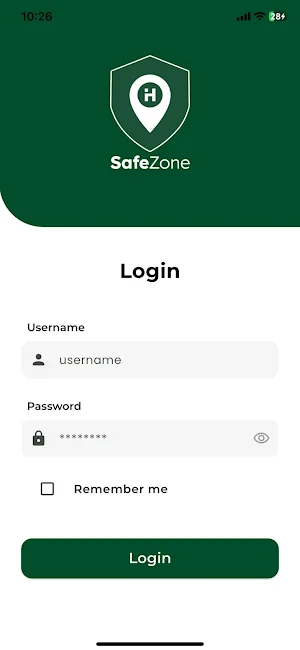
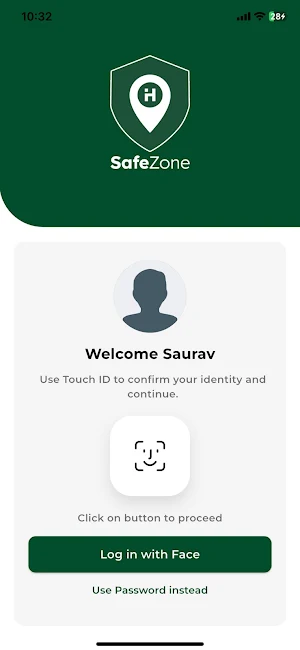
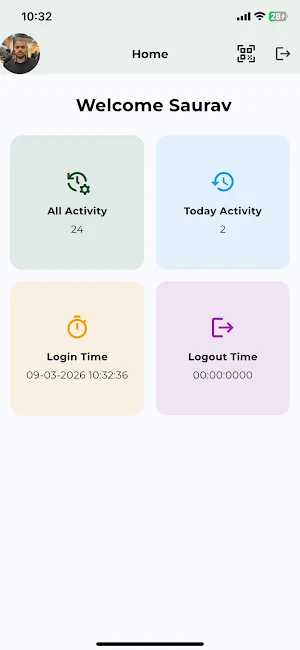
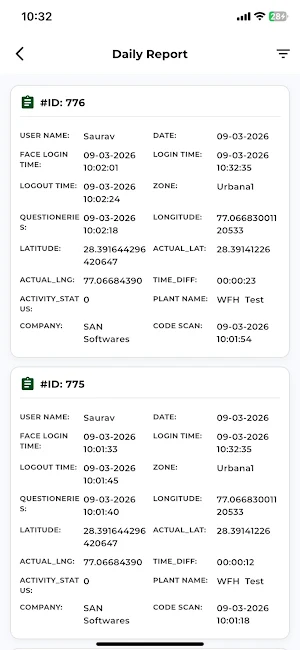
SafeZone is a secure authentication and verification application designed to ensure that authorized users perform tasks safely and at the correct location. The app allows users to log in using their username and password or biometric authentication for quick and secure access. After logging in, users access the dashboard where they can scan a QR code to verify a specific site or location. The application checks the user’s GPS coordinates to confirm they are at the exact required location before allowing the QR scan to proceed. Once the location is verified, the user completes a face authentication step to confirm their identity. After successful verification, users can access and submit a checklist to record task completion. All submitted data is then available in the dashboard, where users can review activity and view reports. SafeZone helps organisations maintain safety, accountability, and compliance by ensuring that tasks are completed by the right user, at the correct location, with proper identity verification through multiple layers of security
Alternatives to HeidelbergSafeZone
Looking for apps like HeidelbergSafeZone? Here are 6 similar Android apps on Google Play. All of them are free to download.






| App | Rating | Price | Installs | Last updated | Compare |
|---|---|---|---|---|---|
| HeidelbergSafeZone | – | Free | 100+ | Apr 10, 2026 | |
| Kantech | – | Free | 500+ | Jul 24, 2026 | Compare |
| Shipping Track | – | Free | 50+ | Jul 1, 2025 | Compare |
| MasterMarineShipping | – | Free | 5+ | Jul 1, 2025 | Compare |
| San TMS | – | Free | 10+ | – | Compare |
| MeraEstate | – | Free | 10+ | Jul 8, 2025 | Compare |
| ContactQR | – | Free | 100+ | Oct 28, 2024 | Compare |
Compare HeidelbergSafeZone with the top alternatives: ratings, updates, ASO score and keyword gaps →